30-sec preview
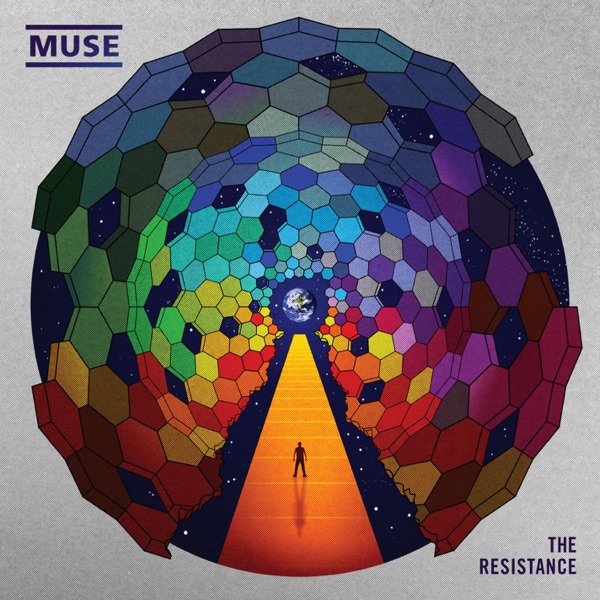
2009 · From the album The Resistance
Undisclosed Desires
by Muse
The reading
A pledge to love someone whose damage and self-protective performance have kept everyone else out
02 · Interpretation
Muse, 'Undisclosed Desires': Loving the Person Behind the Performance
Muse spent most of their catalogue staring at governments, black holes and the end of the world. "Undisclosed Desires," the third single from 2009's The Resistance, points the same operatic intensity at a single person across the room. It is the band's closest thing to an R&B song, built on a popping bassline and synthetic strings rather than the wall of guitar that defines their stadium mode, and that change of register matters: the narrator is trying to be heard at a conversational volume by someone who flinches at noise.
The opening lines lay out the situation plainly. The addressee has suffered; she (or he) is hiding; the world she has been living in is "cold and loveless." The narrator's response is not sympathy from a distance but an offer to step inside it. The pre-chorus, with its short imperatives (soothing, trust me, you can be sure), reads less like seduction than like someone trying to calm a startled animal. The rhythm of the verses keeps stopping and restarting, as if checking whether it is still welcome.
The chorus is the song's mission statement, and it is unusually programmatic for a love lyric. Four parallel "I want" clauses: to reconcile the violence in her heart, to recognise that her beauty is not just a mask, to exorcise the demons from her past, to satisfy the undisclosed desires in her heart. Notice the verbs. Reconcile, recognise, exorcise, satisfy. They escalate from peacemaking to something almost priestly. The narrator is not promising candlelight; he is promising a kind of excavation. Whether that is generous or grandiose is a question the song deliberately leaves open.
The second verse complicates the picture. The lover, we learn, performs a persona for other partners, presenting as "wicked and divine," a knowing seductress. The narrator claims to see through it: she may behave like a sinner, but the innocence belongs to him. This is the song's trickiest move. On a charitable reading, it is the recognition couple in the chorus made personal: I know which version of you is the act. On a less charitable reading, it is the familiar fantasy of being the one person who truly understands a difficult woman, a romance trope as old as pop music. Muse, to their credit, do not resolve the ambiguity. The pre-chorus that follows, with its "please me, show me how it's done," hands authority back to her. He wants to save her and he wants to be taught by her, in the same breath.
The sound of an unguarded Muse
Matthew Bellamy has said in interviews around The Resistance that he wanted to write something closer to Michael Jackson and Timbaland than to the band's usual prog reference points, and the production bears that out: the slap bass, the clipped drum programming, the strings that swell rather than shred. Within an album otherwise concerned with surveillance states, Orwell and a three-part symphony, "Undisclosed Desires" is the personal song, the one that admits a private life exists under the politics. It is also the most exposed Bellamy's vocal had sounded on a single to that point, with the falsetto used as confession rather than spectacle.
The song endures because it gives a shape to a specific and common feeling: wanting to be the safe place for someone who has learned that safe places are traps. It is not a song about lust, despite the title, and it is not quite a song about healing, despite the verbs. It is a song about offering, and about the slightly worrying confidence required to make the offer at all. That tension, more than the groove, is why it still gets played at weddings and at break-ups in roughly equal measure.
Themes catalogued
03 · Lyrics
"Undisclosed Desires"
I know you've suffered
But I don't want you to hide
It's cold and loveless
I won't let you be denied
Soothing
I'll make you feel pure
And trust me
You can be sure
I want to reconcile the violence in your heart
I want to recognize your beauty is not just a mask
I want to exorcise the demons from your past
I want to satisfy the undisclosed desires in your heart
You trick your lovers
That you're wicked and divine
You may be a sinner
But your innocence is mine
Please me
Show me how it's done
Tease me
You are the one
I want to reconcile the violence in your heart
I want to recognize your beauty is not just a mask
I want to exorcise the demons from your past
I want to satisfy the undisclosed desires in your heart
Please me
Show me how it's done
Trust me
You are the one
I want to reconcile the violence in your heart
I want to recognize your beauty is not just a mask
I want to exorcise the demons from your past
I want to satisfy the undisclosed desires in your heart
Lyrics via Google. Copyright belongs to rights holders.
04 · FAQ
Frequently asked
What does 'I want to reconcile the violence in your heart' mean in Undisclosed Desires?
Who is Undisclosed Desires by Muse about?
Why does Undisclosed Desires sound so different from other Muse songs?
What are the 'undisclosed desires' in the song's title?
Is the line 'you may be a sinner but your innocence is mine' about possessiveness?
When was Undisclosed Desires released and how did it perform?
How does Undisclosed Desires fit into The Resistance album?
05 · Discography